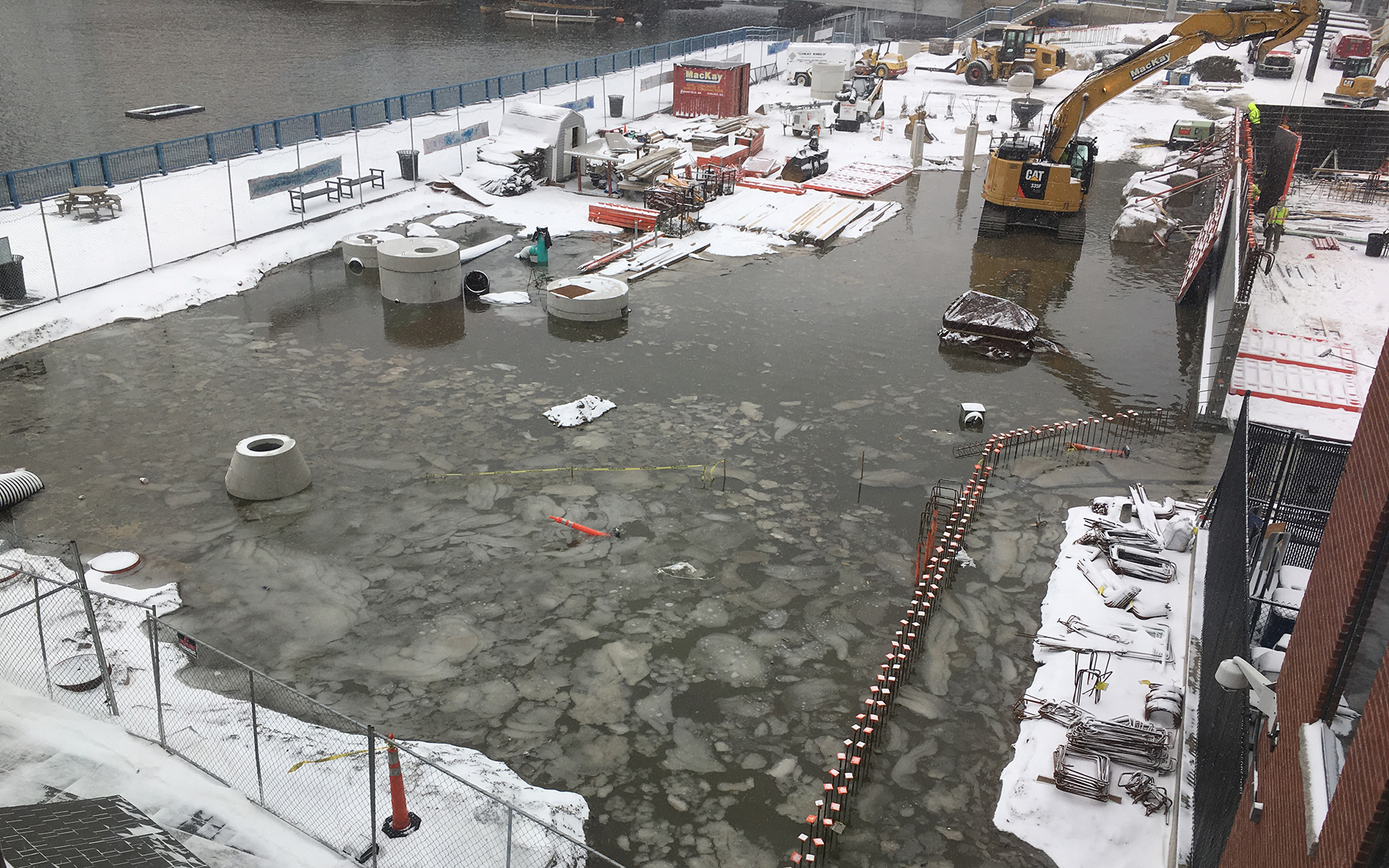
In January and March of 2018, two major storms smashed into New England. Winter Storm Grayson flooded Fort Point, and pushed icy waters onto the Museum’s property. Then, just two months later, the bomb cyclone Riley caused $2.2 billion in damage across the region, brought record high tides to the Boston area, and submerged the streets around the Museum. The water in Fort Point Channel rose to within four feet of the Museum’s Plaza. For several hours, the building was turned into an island amid the submerged streets of the neighborhood.
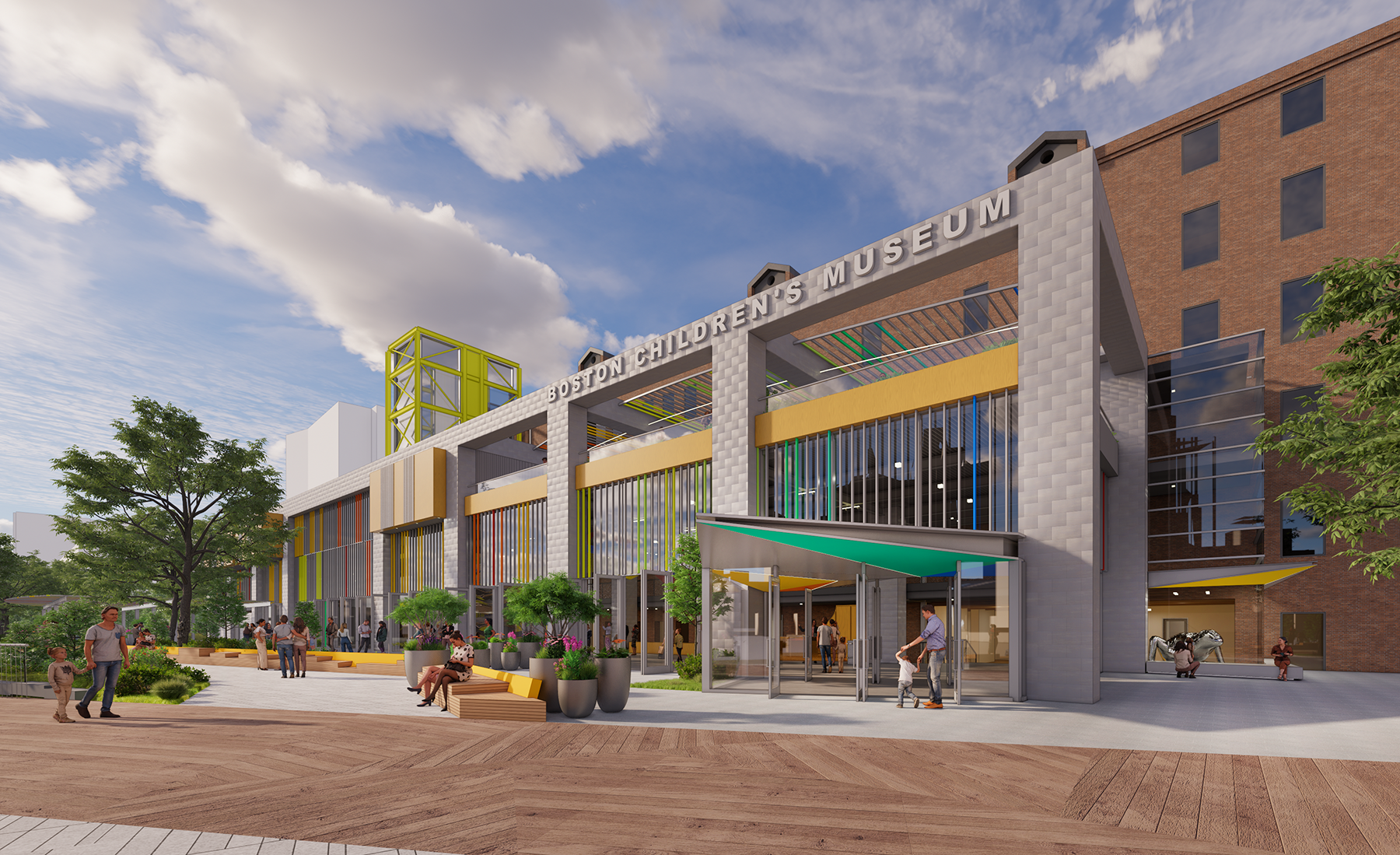
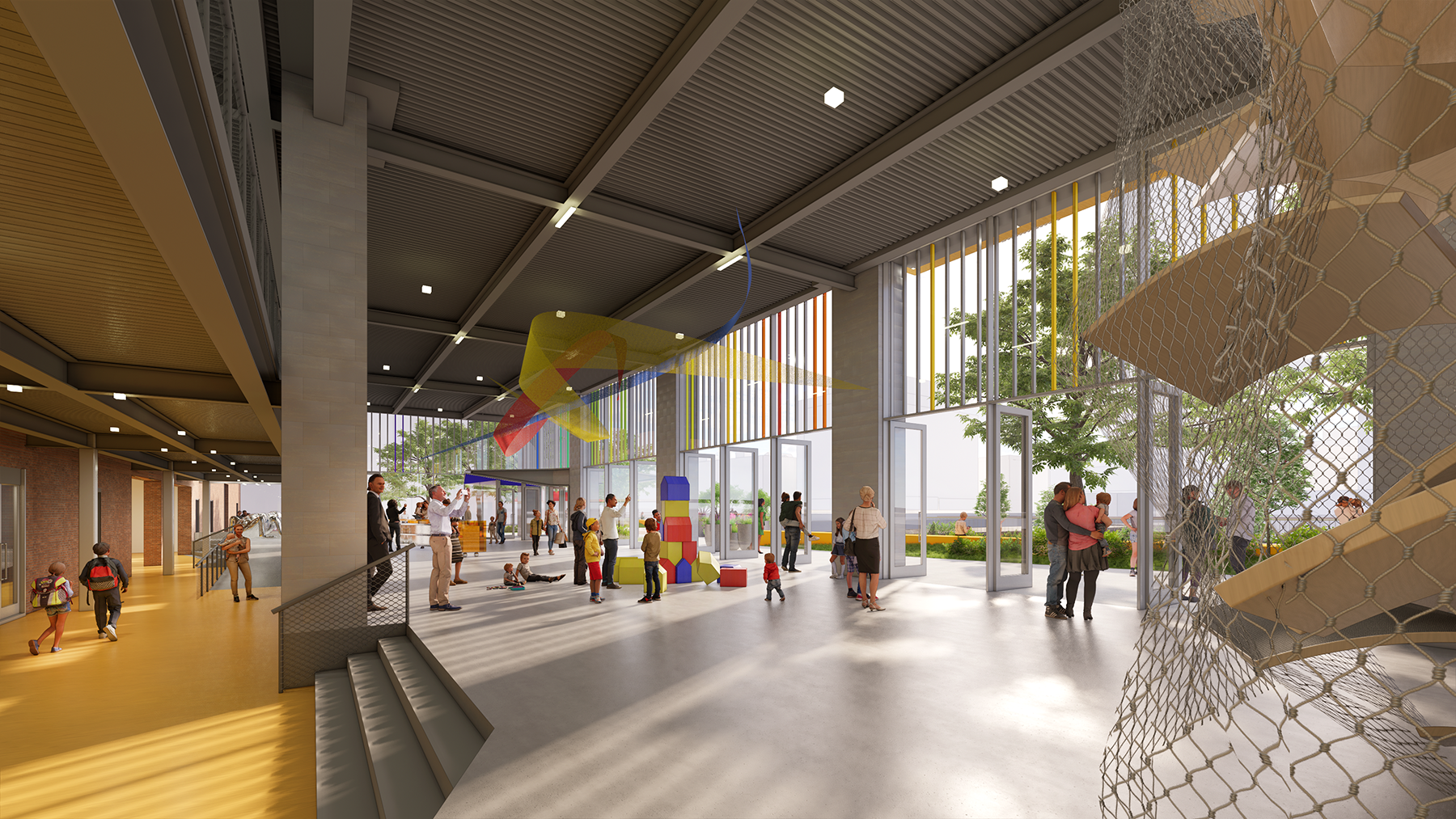
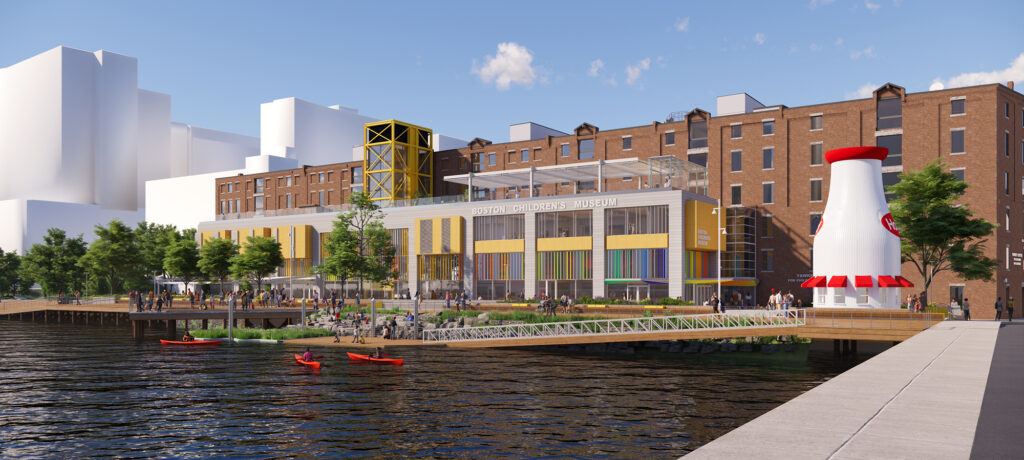
Fortuitously, the Museum had already partnered with engineering and environmental consulting firm VHB to execute a property vulnerability assessment. Their team got to see first-hand the risk that rising sea levels and the increasing frequency of large storms present to the institution and its neighbors. Working with multi-disciplinary design firm Sasaki Associates, based on findings from VHB, the Museum developed a multi-phase, multi-year Climate Resiliency Project that will completely redesign the institution’s footprint and its interaction with the waterfront.
The vision of this plan is not just to make the Museum less vulnerable to increasing flood risk. It is to make the Museum an example of what is possible across the Fort Point and Seaport neighborhoods. There are more than 5,000 vulnerable buildings just in Seaport and South Boston. Their owners and tenants will be able to look to the Museum for inspiration and collaboration in building a more resilient city.
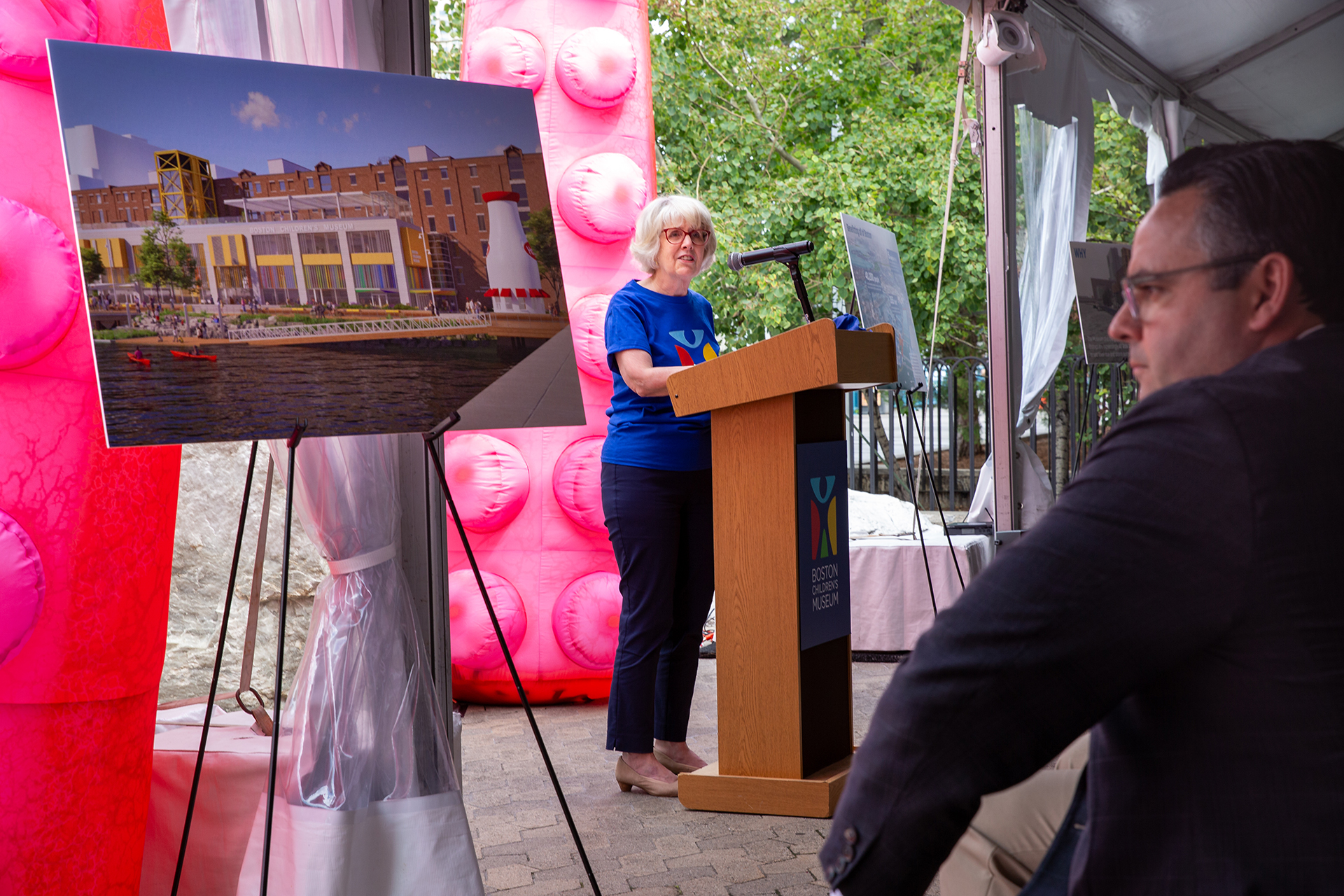
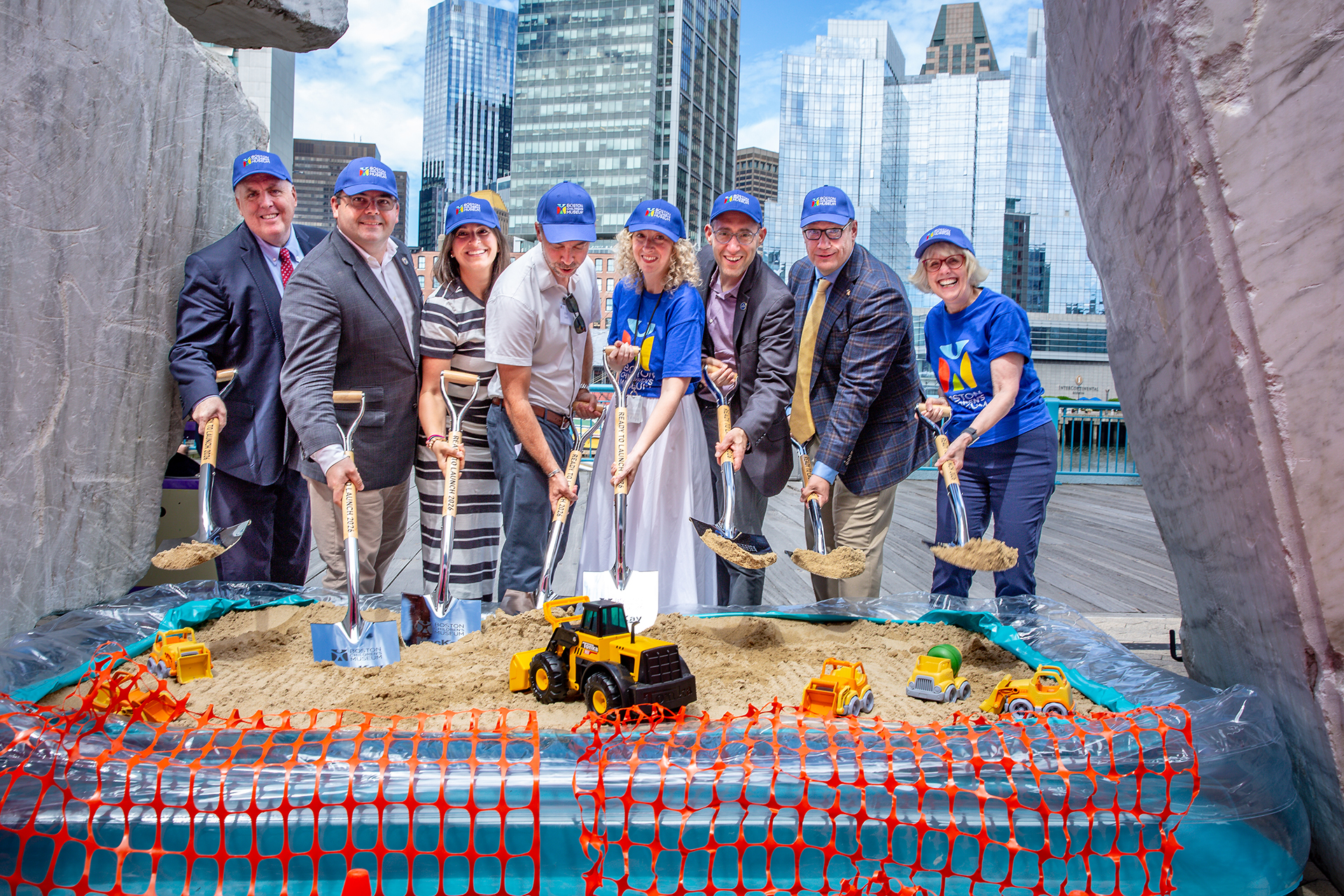
Thanks to significant fundraising accomplished across Fiscal Year 2026, Phase One of the Museum’s Masterplan broke ground on August 5, 2026. This phase is comprised of three of the most urgent resiliency projects:
- In order to preserve the character of the building, the historic brick facade will be waterproofed and reinforced with new brick cladding.
- We will protect critical mechanical, electrical, and plumbing infrastructure on the building’s first floor to speed up recovery time from floods and other disasters. This includes moving some infrastructure to upper floors, and adding waterproof “bathtubs” to rooms where critical infrastructure cannot be moved. Most significantly, a new electrical switchgear will be installed in a flood-reinforced room.
- To redirect floods, we will install an underground water-storage cistern to collect and hold groundwater. This cistern will be connected to an outfall to the channel.
These projects will be executed in two stages, running from August to December 2026, and then from June 2027 to early 2028. This timeline allows for the custom fabrication and delivery of complex equipment like the new switchgear.
The goal of this phase of the plan is to transform the Museum into a more flood-resilient, disaster-ready institution—protecting the historic structure and magical exhibits within, while ensuring it can recover quickly and continue serving the public.
As part of the Museum’s commitment to resiliency not just for our building, but for our community, we have also developed educational experiences around resiliency, environmental protection, and caring for the natural world. Our climate and nature education work focuses on helping children and caregivers explore and learn about nature and real world problem-solving within a framework of optimism. Seasonal programs throughout the Museum aim to inspire children with a love of the natural world through developmentally appropriate content, so that they feel prepared and empowered when they are older and ready to engage with the complex realities of climate change.